

The intersection of vaping and fitness has become a topic of increasing interest as the popularity of vaping continues to rise. Many fitness enthusiasts strive to maintain optimal physical health, which includes focusing on recovery after workouts. Some vape vending machines for sale have been spotted near fitness centers and gyms, causing a lot of questions in the fitness community. Understanding how vaping can affect this recovery process is essential for making informed decisions about personal habits and overall health.
How Vaping Impacts Physical Recovery
Recovery is vital to any fitness routine, allowing the body to repair tissues, restore energy, and reduce the risk of injury. Vaping, which involves inhaling vaporized nicotine or other substances, can interfere with these processes in several ways. Nicotine, a common ingredient in vape products, acts as a stimulant that increases heart rate and blood pressure. This can impair blood flow, which is crucial for delivering oxygen and nutrients to muscles after exercise. Reduced blood flow can hinder muscle repair and slow down recovery. Additionally, some studies suggest that vaping may contribute to oxidative stress and inflammation, which can disrupt the body’s natural healing processes. For athletes and fitness enthusiasts, this means longer recovery times and potentially diminished performance.
Lung Function and Exercise Performance
Healthy lung function is critical for fitness, particularly for aerobic activities like running, cycling, or swimming. Vaping has been shown to have adverse effects on lung health, even in the absence of traditional cigarette smoke. Research indicates that the chemicals in e-cigarette vapor can irritate the respiratory system, leading to reduced lung capacity and endurance. For individuals who engage in high-intensity workouts, this can decrease stamina and an increased perception of effort during exercise. Over time, compromised lung health may limit an athlete’s ability to push their physical boundaries.
Effects on Sleep and Recovery

Quality sleep is another cornerstone of effective recovery, as it enables the body to release growth hormones, repair tissues, and restore energy levels. Nicotine from vaping can disrupt sleep patterns by stimulating the nervous system and reducing the duration of deep sleep cycles. For fitness enthusiasts, inadequate sleep can lead to diminished performance, slower muscle recovery, and increased injury susceptibility. Avoiding nicotine, particularly before bedtime, can help improve sleep quality and support overall recovery.
Psychological Impacts and Motivation
While vaping is sometimes marketed as a stress-relief tool, its long-term psychological effects can be counterproductive for fitness goals. Nicotine dependency can increase stress levels and create a cycle of cravings that detract from mental focus and motivation. A fitness journey requires discipline and a clear mindset. By minimizing habits that undermine mental well-being, such as vaping, enthusiasts can maintain a more consistent and rewarding approach to their health and fitness routines.
Alternatives to Vaping for Stress Relief
For those who vape as a means of relaxation, healthier alternatives align better with fitness goals. Practices such as meditation, deep breathing exercises, and yoga can help reduce stress without the negative health impacts associated with vaping. These methods also promote recovery by enhancing oxygenation and reducing cortisol levels in the body.
Vaping presents several challenges for fitness enthusiasts, particularly in terms of recovery and overall physical performance. From reduced blood flow and lung function to disrupted sleep and increased stress, the effects of vaping can hinder progress in achieving fitness goals. By prioritizing healthier habits and avoiding nicotine, individuals can support their recovery, maximize performance, and maintain a sustainable path toward wellness.…

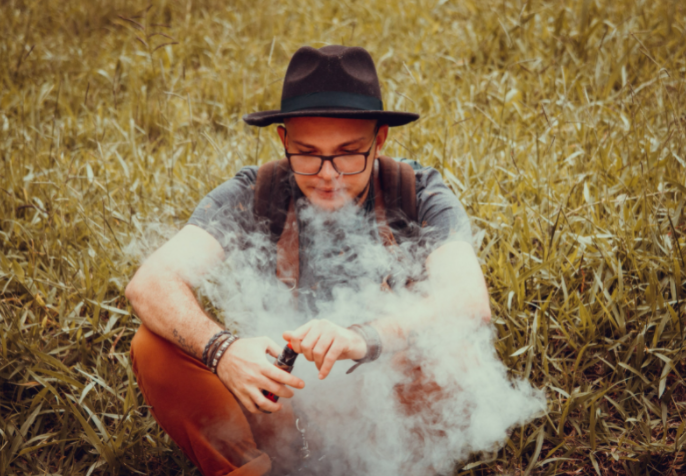
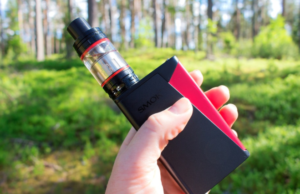 People who need urgent relief can turn to vaping. Vaping can provide immediate relief that lasts up to two hours. It is easier to use and more convenient. Because there is no burning sensation, many patients prefer vaping to smoking. Want a more potent high? Vaping can increase your high. MAPS and California NORML conducted a study that found that vaping can convert 46% of the THC in cannabis into vapor.