
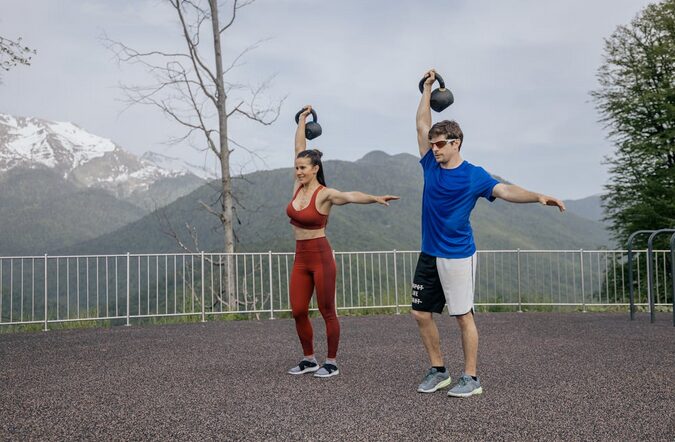
Kettlebells aren’t new. They’ve been used for centuries in Russia to build strength, agility, and toughness. But only recently have they gained widespread attention in modern fitness. The difference between a kettlebell and traditional weights is simple: shape and movement. A kettlebell’s center of mass is off-centered, making your muscles work harder to control every rep. This builds not just strength but explosive power. If you want to unlock their full potential, try this kettlebell training guide for serious power to get started the right way.
Understanding Explosive Strength
Explosive strength is your ability to generate force quickly. Think of jump squats, sprints, or powerful punches. These movements rely on more than raw strength. They require speed and coordination. This is where kettlebells shine. Unlike machines or barbells that often isolate muscles, kettlebells force your body to move as a unit. You develop power from the ground up through your feet, legs, hips, and core.
The Power of the Swing
One of the most effective kettlebell movements is the swing. It looks simple but delivers serious results. The swing trains your hips, glutes, and hamstrings to fire in sync. That’s the same chain of muscles used in jumping, sprinting, and lifting. As you explode forward in a swing, your body learns to produce force fast. This is the foundation of explosive movement. The swing also teaches you control. Each rep requires a precise blend of tension and relaxation. You must generate maximum force, then immediately recover. That pattern of explosion, reset, explosion again is exactly how athletes perform under pressure.
Efficient and Scalable for Everyone
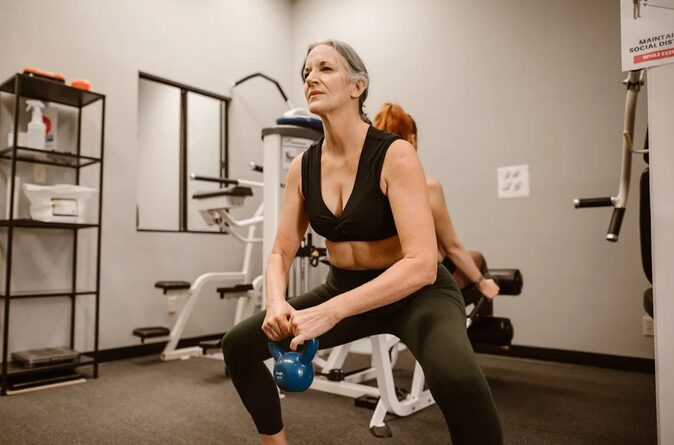
You don’t need a gym full of equipment. One kettlebell is enough to build serious strength and conditioning. This makes it perfect for people with limited space or time. A 20-minute kettlebell session can replace an hour of gym work. Kettlebell training also scales. Beginners can start with basic swings or goblet squats. Advanced users can move to Turkish get-ups, snatches, or complexes that demand the utmost focus. There’s always room to grow. That progression makes it one of the most adaptable tools in fitness.
Grip, Core, and Coordination
Kettlebells don’t just build power. They improve grip strength, posture, and balance. Because of their unique shape, even holding a kettlebell activates stabilizing muscles in your wrists, arms, and shoulders. This is critical if you’re training for sports or physically demanding work. Your core is constantly engaged. Whether you’re doing swings, cleans, or snatches, your midsection works to prevent rotation and keep you balanced. Over time, this builds real-world strength. It helps with everything from lifting groceries to dominating on the field.
Why Athletes Trust Kettlebells
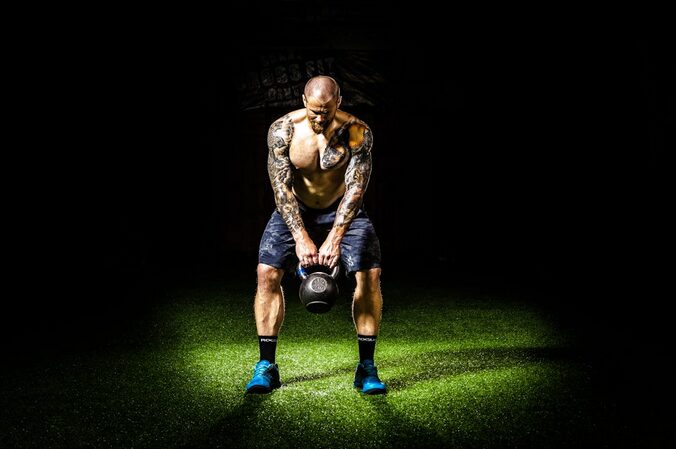
Athletes across sports, such as football, martial arts, and sprinting, use kettlebell training to gain an edge. The reason is simple: results. Movements like the kettlebell snatch or clean and press mimic explosive athletic actions. They challenge coordination, speed, and timing. And they improve how the body works as a system. Unlike traditional lifts that might take weeks to show results, kettlebells often deliver improvements fast. More jump height. More sprint speed. Better reaction time. These gains matter, and athletes recognize that.
Like any powerful tool, kettlebells must be used correctly. Form matters. To avoid injury and get the best results, start light. Focus on proper hip hinge mechanics before adding power. Learn from a certified trainer if possible. Online tutorials are helpful, but real-time feedback is better. Listen to your body. Explosive training is intense. Ensure enough recovery between sessions to allow your nervous system to adapt. This helps you get stronger, faster, and safer over time. When done right, kettlebell training transforms how your body moves. It teaches power, control, and efficiency. And it does so with a level of simplicity that few other tools offer.…



 Our lungs work hard every day to supply our body with the oxygen it needs to function. But, according to HealthStatus, most people only use a small portion of their lungs’ capacity. When you hike, your lungs have to work harder as you walk uphill and take in more breaths per minute. This helps to increase your overall lung capacity and makes everyday activities that much of a breeze.
 If you’re trying to lose weight or maintain your weight, then you need to be aware of the number of calories you’re burning. According to HealthStatus, a 155-pound person can burn up to 298 calories in 30 minutes of hiking. That number increases to 372 calories if you hike for an hour.
 Regular exercise is one of the best things you can do for your heart
  It’s essential to see your doctor regularly, even if you feel healthy. Your doctor can check for signs of heart disease and help you make lifestyle changes that may reduce your risk of developing the disease. If you have a family history of heart disease, your doctor may recommend more frequent or earlier checkups. You should also let your doctor know if you have any risk factors for heart disease, such as high blood pressure, high cholesterol, or diabetes.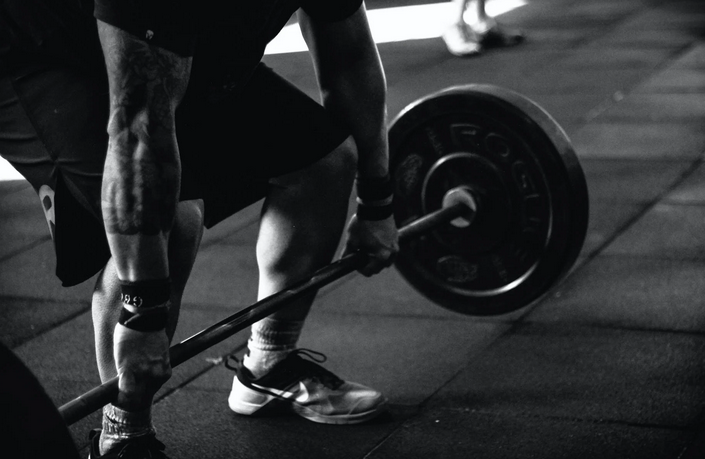
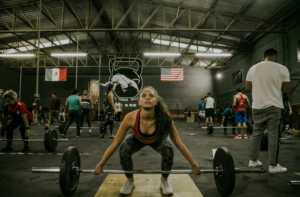 If you’re new to weightlifting, starting with your bodyweight is a good idea. This way, you can get comfortable with the basic movements and build strength before adding any additional weight. Once you’ve mastered the exercises using your body weight, you can then move on to using weights. An easy way to start is by doing bodyweight squats, lunges, and push-ups. These exercises are a great way to work the entire body, and they can be done anywhere with no equipment necessary. If you’re looking for a more challenging workout, try adding some pull-ups or dips. These exercises require minimal equipment (a bar or bench for dips and a pull-up bar or tree branch for pull-ups), and they are great for building strength and muscle mass.
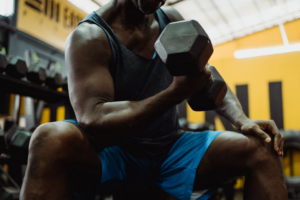 When you’re just starting, it’s essential to lift the right amount of weight. If you choose too heavy a weight, you’ll likely end up struggling and could even injure yourself. On the other hand, if you decide to be lightweight, you won’t see any results. So how do you find the right weight? An excellent way to start is by using the weight you can lift for 12-15 repetitions. Once you can easily do 15 reps of a particular exercise, it’s time to increase the weight. Another thing to keep in mind when lifting weights is form. Make sure always to use proper form, even if it means lightening the weight slightly. This will help avoid injuries and ensure that you’re getting the most out of your workout.
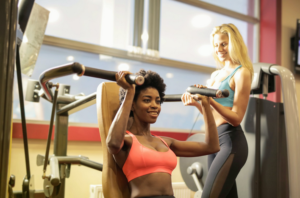 Stretching is an essential part of any workout routine, and it’s necessary when lifting weights. Stretching before a weightlifting session can help reduce the risk of injury, and stretching after a workout can help to improve flexibility. There are many different stretches that you can do, so find ones that target your specific muscle groups.